The mold you pick for candy production affects how your treats turn out. Silicone and plastic molds both offer benefits, but they work differently based on the type of candy you make. The right choice depends on factors like temperature needs, detail level, release ease, and how often you plan to use the molds.
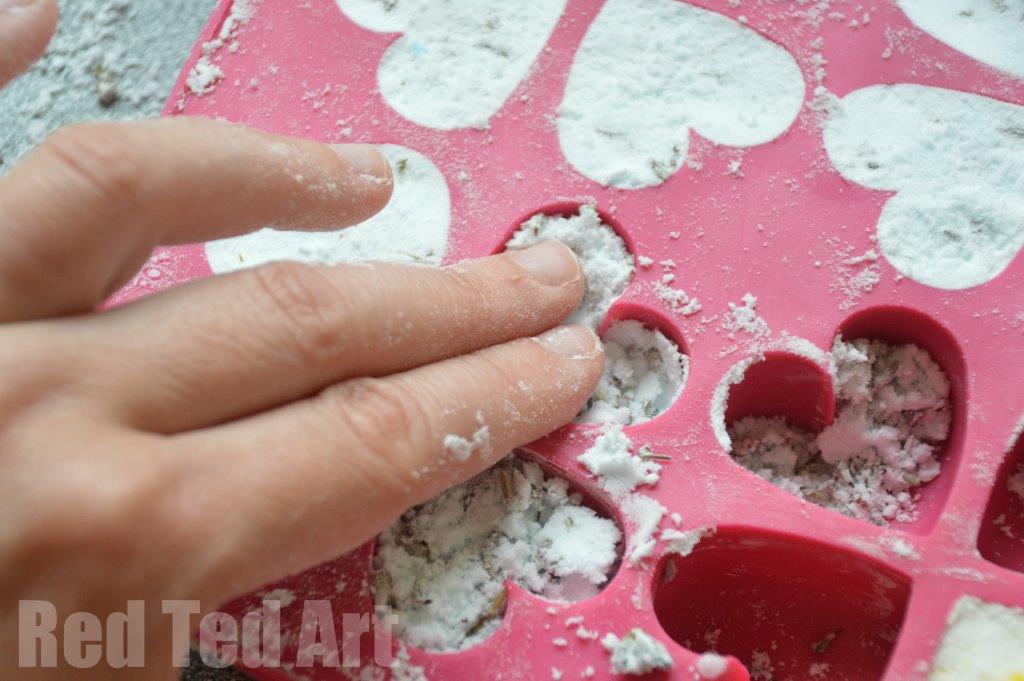
Silicon moulds can be used for a variety of things, such as making homemade Bath Bombs too!
Each material has strengths that suit specific candy types. Silicone molds bend and flex, which helps with certain candies. Plastic molds stay rigid and create sharp edges. This article covers the key differences between these two popular options. It looks at flexibility, temperature limits, detail quality, durability, and care needs to help you decide which works best for your candy projects.
Flexibility and ease of candy release with silicone molds
Silicone molds are often chosen for candy making because they bend and twist without losing their shape. This flexibility allows finished pieces to be pushed out gently or released by peeling the mold away, which reduces the chance of damage to delicate candies. Such handling is harder to achieve with rigid containers.
The non-stick nature of food-safe custom candy molds also supports clean release with minimal preparation. Silicone has a naturally low surface grip, so sugar-based treats and chocolate tend to separate without sticking, which limits the need for added oils or sprays.
Different candy types respond well to this material. Hard candies, gummies, and caramels can be removed with less pressure, even when designs include fine details. Because the mold yields during removal, intricate shapes remain intact rather than cracking or bending under force.
Sharp detail and glossy finish are achievable with rigid plastic molds
Rigid plastic molds deliver superior surface quality for candy products. The hard, polished surface of these molds transfers directly to each candy piece, which creates sharp edges and fine details that soft molds cannot match.
The smooth finish of rigid plastic allows candies to release with a natural shine. This glossy appearance happens because the mold surface itself is highly polished. Manufacturers can control the exact level of shine by adjusting how they finish the mold surface.
Detailed reproduction stands out as a major advantage of rigid plastic molds. These molds hold precise shapes and small features without distortion. The material stays firm under pressure, so intricate patterns and textures appear clearly on every candy.
Temperature resistance also contributes to better finish quality. Rigid plastic molds maintain their surface properties across multiple uses. They resist warping and degradation, which keeps the finish consistent from the first batch to the last.
Temperature resistance and suitability for soft versus hard candies
The type of candy you make determines which mold material works best. Silicone molds handle temperatures up to about 400°F, which makes them perfect for soft candies like gummies and gelatin treats. These candies don’t require extreme heat and benefit from silicone’s flexibility.
Hard candies need much higher temperatures, often reaching the hard crack stage at 300°F or more. Plastic and polycarbonate molds perform better for these candies because they maintain their shape and preserve sharp details at higher heat levels. The rigid structure of plastic helps hard candy keep clean edges and precise designs.
Experts recommend silicone for gummy and gelatin-based candies because these treats set at lower temperatures. However, hard candies require white plastic or polycarbonate molds that can withstand intense heat without warping. The material you choose affects both the final appearance and texture of your candies.
Consider what type of candy you plan to make most often before selecting a mold material. Each material has specific temperature limits that match different candy types.
Durability and potential for damage under frequent use
Silicone molds can last for years without problems. They resist wear and tear from repeated use better than most plastic molds. However, silicone can tear if someone pulls too hard on the edges or uses sharp tools inside the mold.
Plastic molds tend to crack or break after many uses, especially if they get dropped. The material becomes brittle over time, particularly if exposed to temperature changes. Therefore, plastic molds often need replacement more frequently than silicone ones.
Professional candy makers find that silicone molds maintain their shape better after hundreds of uses. The flexible material bounces back each time, which means candies keep their details batch after batch. Plastic molds may warp or lose their fine details as they age.
Both materials can handle regular use, but they fail in different ways. Silicone tears while plastic shatters or cracks. For home bakers who make candy occasionally, either option works fine. For frequent use, silicone provides better long-term value despite its higher initial cost.
Cleaning convenience and mold maintenance requirements
Silicone molds offer easier cleanup than plastic options for candy makers. The flexible material allows soap and water to remove most residues without much effort. Most silicone molds can go in the dishwasher, which saves time after a long candy-making session.
Plastic molds require more careful attention. They need hand-washing with gentle soap to prevent scratches and cracks. Hot water can warp some plastic molds, so room temperature or cool water works better. The rigid surface of plastic sometimes holds onto oils and sugars more stubbornly than silicone does.
Both materials need proper storage to maintain their quality. However, silicone resists tearing and degradation better under normal use. Plastic molds can crack or become brittle over time, especially if exposed to temperature changes or harsh cleaners.
The lifespan of each material depends on how well users care for it. Proper maintenance extends the life of both types, but silicone generally lasts longer with less specialized attention.
Conclusion
Both silicone and plastic molds serve valuable purposes in candy creation, and neither option stands as universally superior. Silicone molds offer flexibility, easy release, and temperature versatility, which makes them ideal for gummies, caramels, and varied candy types. Polycarbonate plastic molds deliver the rigid structure and glossy finish that professional chocolatiers need for tempered chocolate work. The best choice depends on the specific candy type, production volume, and desired finish quality.