Outdoor play gives preschoolers the chance to move freely, explore their surroundings, and use their large muscles in natural ways. Activities like jumping, climbing, and throwing help children gain strength, coordination, and control. Outdoor gross motor activities build strong motor skills by allowing children to practice balance, agility, and movement across different surfaces and challenges.
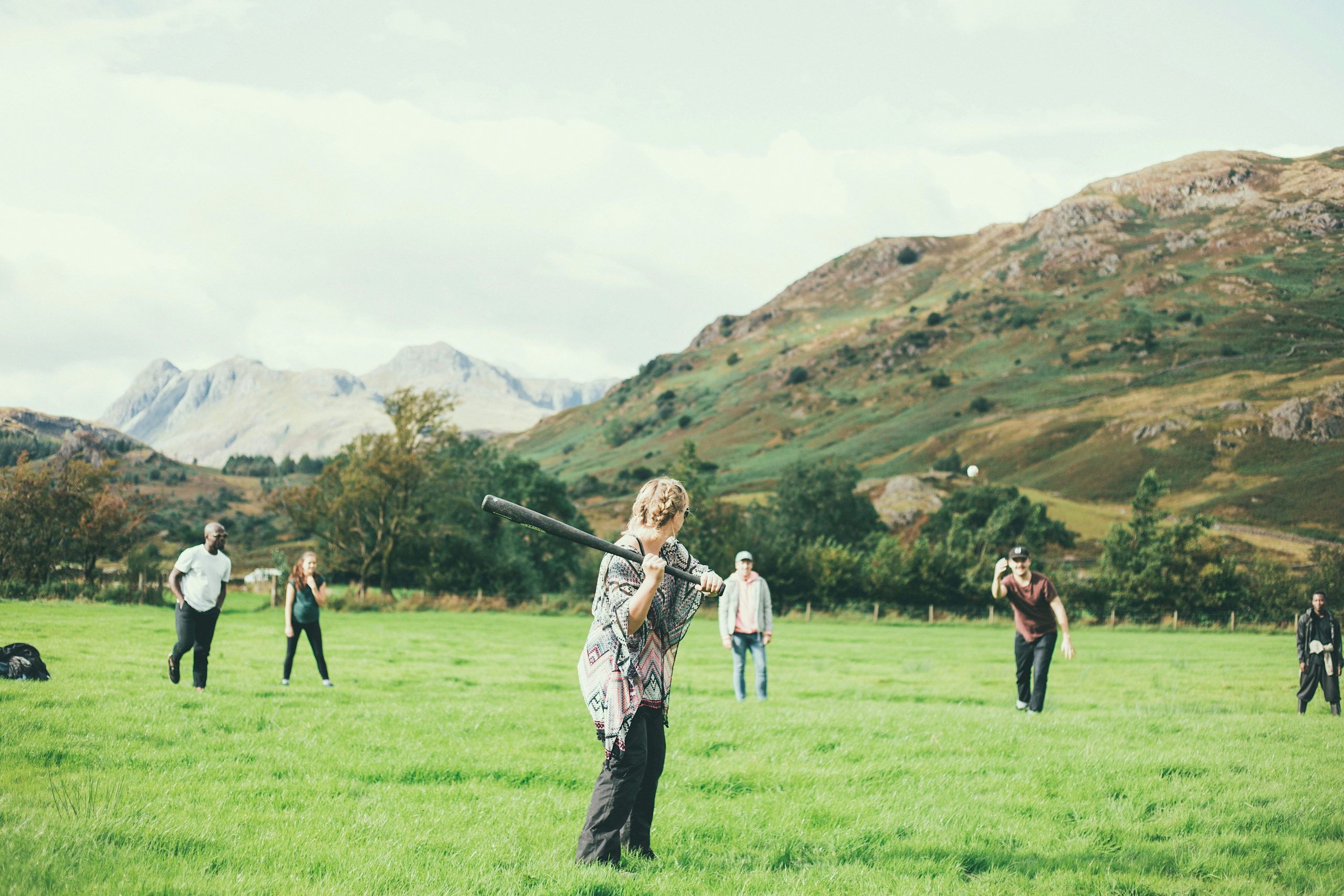
Photo by Joseph Pearson on Unsplash
Children learn more than physical control during outdoor play. They test limits, solve problems, and work together. These experiences help them grow confident in their abilities and develop social and emotional awareness. A playground, yard, or park becomes a learning space where every step, climb, and jump supports healthy growth.
As the article unfolds, it will explain how outdoor motor play connects to early development, outline the most effective activities, and show practical ways to support active learning outside. Each section will help adults understand not only what to do but also why it matters for every child’s steady progress.
Fundamentals of Outdoor Gross Motor Activities and Motor Skill Development
Outdoor movement helps young children strengthen major muscle groups, balance their bodies, and improve coordination through natural play. Regular physical activity outside supports both physical and sensory development, building control and confidence across different tasks.
Defining Gross Motor Skills in Early Childhood
Gross motor skills refer to actions that use large muscles in the arms, legs, and torso. These skills allow children to walk, jump, climb, and throw objects with purpose and control. In early childhood, they form the base for later physical abilities, including sports and daily movement such as dressing or lifting objects.
Preschoolers develop these abilities through active exploration. Activities like jumping over puddles, pedaling a tricycle, or climbing a low ladder build strength and body awareness. Each action helps children understand spatial limits and movement rhythm.
According to findings supported by Soundsory’s guide on outdoor gross motor activities for preschoolers, hands-on play experiences improve posture, focus, and sensory coordination. These movements also help the brain connect physical control with attention and emotional balance, forming a foundation for lifelong physical confidence.
Why Outdoor Activities Are Important for Preschoolers’ Motor Skills
Outdoor spaces offer room for free movement that indoor areas often lack. Grass, sand, and uneven ground challenge children to adjust their movements and balance. Such experiences strengthen muscles while improving agility and awareness of body position.
Natural light and fresh air also benefit focus and mood. Outdoor play can lower stress and increase motivation to move. Group activities like tag or obstacle courses encourage cooperation and social language, which supports communication and confidence.
Preschoolers who regularly spend time outside show stronger endurance and coordination. They gain the independence to try new tasks, such as throwing a ball or balancing on a beam. The open environment encourages practice without pressure, which helps children progress at their own pace.
Key Components of Gross Motor Development
Gross motor development involves three main components: strength, balance, and coordination. Strength supports body control and posture. Balance allows smooth movement without falling or wobbling. Coordination links different parts of the body so actions feel fluid and efficient.
To develop these components, children benefit from frequent movement that uses the whole body. Running, hopping, and climbing all stimulate muscle growth and joint stability. Repetition of these actions makes motor patterns more accurate and easier to control.
Parents and teachers can create simple challenges to build these abilities. For example, setting up a line to walk across or arranging cushions for gentle jumps improves both physical control and self-assurance. Over time, consistent practice builds readiness for more organized physical tasks at school or in play.
Top Outdoor Gross Motor Activities That Build Strong Skills
Outdoor activities help preschoolers strengthen large muscles, coordination, and confidence through natural play. Movement-based games, imaginative challenges, and group tasks give children chances to practice balance, agility, and social communication in real-world settings.
Necessary Movement-Based Activities for Preschoolers
Preschoolers benefit most from simple, active games that build muscle strength and coordination. Hopscotch, for example, improves leg power and balance while also helping children count and plan steps. Follow the leader, and Simon Says teach listening, imitation, and controlled movement.
An obstacle course with cones, low hurdles, or a balance beam allows practice of motor planning and spatial awareness. Activities that involve throwing and catching soft balls shape hand-eye coordination and bilateral control.
Short bursts of animal walks, such as frog hops, bear crawls, or crab steps, strengthen the core and upper body. These movement games keep children active while supporting growth in posture, strength, and coordination. Each type builds a different aspect of gross motor development, giving preschoolers a strong base for higher-level physical tasks later.
Creative Outdoor Games for Comprehensive Skill Building
Outdoor play gives children freedom to move with purpose and imagination. Activities such as a sidewalk chalk obstacle course combine creativity with physical challenge. Children can draw hop circles, lines for balancing, or zones for jumping, turning art into physical learning.
A scavenger hunt or garden search improves focus, direction-following, and memory while boosting endurance. Tasks that add color, shapes, or numbers can link movement with early learning skills. In warmer months, water play or bubble pop games keep preschoolers active and cool while engaging arm and leg muscles through dynamic motion.
Group events such as balloon volleyball, dance party, or parachute play introduce cooperative problem-solving. These activities build self-control and timing while encouraging laughter and team connection. Combining physical play with imagination promotes steady progress in both physical and cognitive development.
Boosting Body Awareness, Balance, and Endurance Outside
Outdoor settings provide uneven surfaces and natural space that challenge coordination. Balancing on logs or playground beams improves stability and posture. Cycling or tricycle rides work large muscle groups and strengthen endurance over time.
Parents and teachers can create balance paths from simple items such as rope lines or stepping stones. Children learn to adjust movements and understand how their body fits in space, improving body awareness and motor control.
Short races or hill walks build endurance without overwhelming young learners. Repeated exposure to outdoor challenges also helps preschoolers recognize rhythm in their movements. As confidence grows, they develop stronger control and awareness of how movement connects to effort and balance.
Promoting Social, Cognitive, and Emotional Growth Through Outdoor Play
Outdoor gross motor activities support far more than physical fitness. Cooperative play strengthens social interaction, communication, and teamwork skills. Tasks like parachute play, freeze dance, or ball play require shared timing and mutual focus, which nurture empathy and patience.
Outdoor exploration also supports cognitive development. Children solve small movement problems, organize actions, and remember patterns during games. These challenges improve motor planning and early problem-solving confidence.
Emotional growth occurs as preschoolers take safe risks. Climbing monkey bars or racing through courses teaches persistence and self-regulation. Active play builds self-esteem through visible progress—a child who masters balance or coordination often gains trust in their abilities, preparing them for future learning in both school and life.
Conclusion
Outdoor gross motor activities help preschoolers gain strength, balance, and body control. Simple games such as hopscotch or tag encourage muscle development and coordination while also giving children space to explore movement in a natural setting.
They also support social and emotional growth. As children take turns, follow directions, and solve small physical challenges, they build confidence and learn teamwork. These small successes add up to stronger self-regulation and independence.
Consistent outdoor activity allows preschoolers to link movement with learning. Physical play supports focus, sensory awareness, and healthy habits that continue as they grow.
In short, outdoor play encourages development through active movement, shared experiences, and real-world learning opportunities that strengthen both body and mind.
All activities should be age-appropriate and supervised by an adult. If you have concerns about your child’s motor development, consult a pediatrician or therapist.