There is something about watercolor painting that just feels magical. The way colors blend and bleed into each other, creating soft gradients and happy little surprises on the page. And the best part? Kids absolutely love it.
If you have been wanting to introduce your little ones to watercolor but are not sure where to start, you are in the right place. Watercolor painting works for almost any age, requires very little setup, and keeps kids entertained for way longer than you would expect. Plus, the results always look beautiful, even when they are a bit messy. Especially when they are a bit messy, if we are being honest.
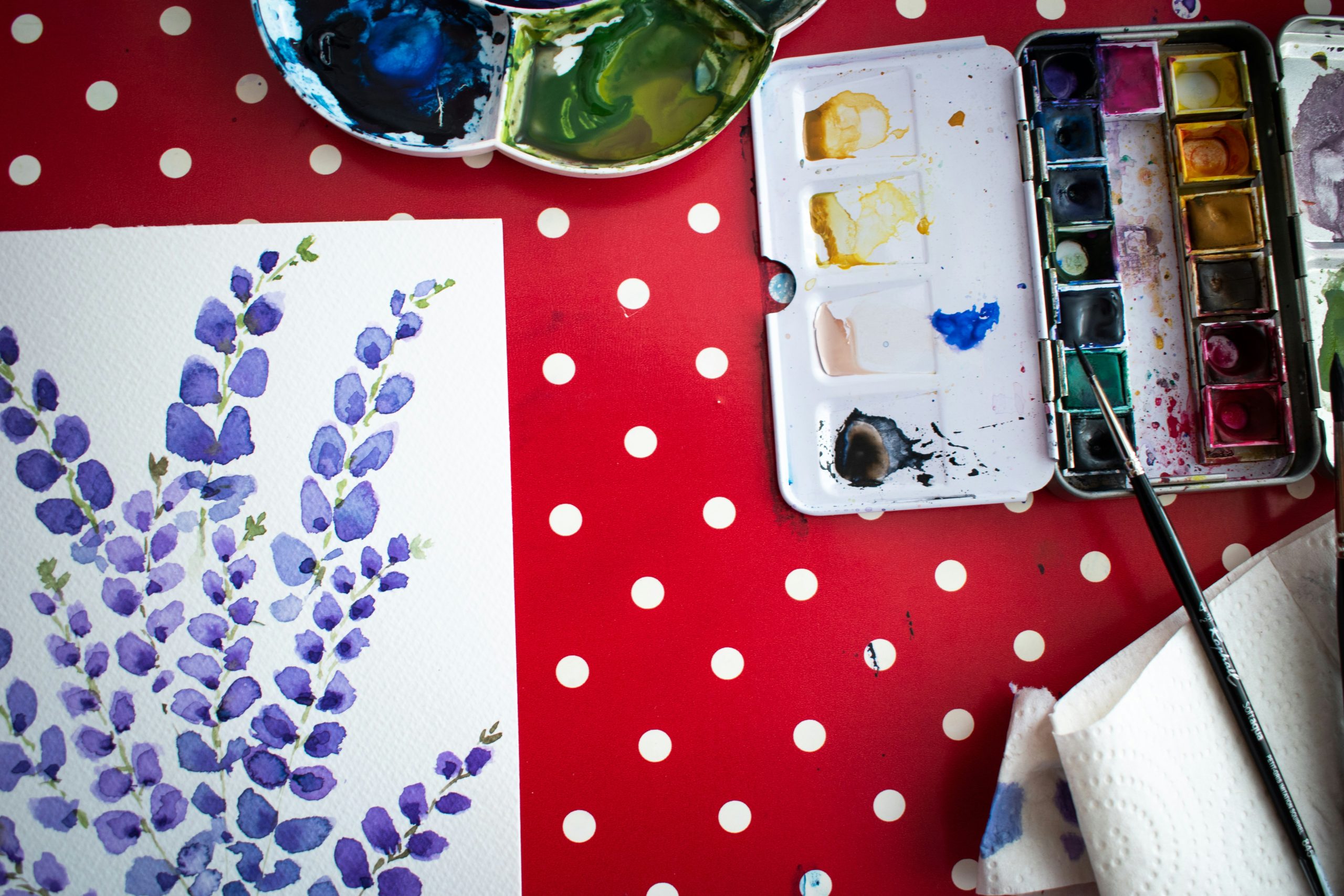
Photo by Maria Petersson on Unsplash
Let’s walk through everything you need to know to get started at home, from picking the right supplies to keeping things fun and low-stress.
Why watercolor is perfect for kids
You might be wondering why watercolor specifically. After all, there are plenty of paints out there. Acrylics, finger paints, tempera. What makes watercolor special?
For starters, watercolor is forgiving. Unlike acrylics that dry fast and stay exactly where you put them, watercolor moves and flows. Kids can layer colors, blend them with a wet brush, or tilt the paper to watch the paint travel. That unpredictability is actually a huge plus for younger artists because there is no “wrong” way to do it.
Watercolor is also easy to clean up. A few paper towels, a cup of water, and you are done. No scrubbing paint off the table for twenty minutes afterward.
And here is something that might surprise you: watercolor painting is genuinely calming. It is one of those rare activities where kids slow down, focus, and get into a creative flow. If you have a child who struggles to sit still, watercolors might be the quiet activity that finally clicks.
What you need to get started
The supply list is short. Here is what you will want on hand:
A set of watercolor paints. You do not need anything fancy. A basic pan set with 12 to 16 colors is more than enough for kids.
Brushes in a couple of different sizes. A medium round brush handles most things, but having a thinner one for details and a wider one for washes gives kids more to experiment with.
Watercolor paper. This one actually matters. Regular printer paper buckles and tears when it gets wet. Watercolor paper is thicker and textured, so it holds up and gives the paint a nicer finish.
A cup of water, a few paper towels, and something to protect the table. That is all you need.
Fun watercolor activities to try
Once you have your supplies ready, here are some activities that kids tend to love.
Wet on wet painting
This is the easiest technique and also the most satisfying to watch. Have your child wet the paper with clean water first, then drop color onto the wet surface. The paint spreads and blooms in ways that are hard to predict and impossible to mess up. Kids love seeing what happens when two colors meet on a wet page. It feels like a science experiment and an art project in one.
Tape resist art
Grab some painter’s tape or washi tape and have your child create a pattern or shape on the paper. Stripes, stars, their initials, whatever they like. Then paint over the entire page with watercolors. Once the paint is dry, carefully peel off the tape to reveal crisp white shapes underneath. Kids are always a little shocked by how good this looks.
Nature painting
Take a walk outside and collect leaves, flowers, or interesting shapes. Place them on the watercolor paper and paint around them, or use them as stamps by applying paint directly to the leaf and pressing it down. This is a good way to combine outdoor time with art time.
Guided painting with pre-sketched pages
This one works especially well for kids who feel nervous about painting on a blank page. Instead of asking them to draw something and then paint it, give them a page that already has a light sketch or outline on it. They just focus on the painting, which takes all the pressure off.
Kids who say they “can’t draw” often discover they can create something beautiful when the drawing part is already done for them. If you are looking for pre-sketched watercolor workbooks designed exactly for this, you can find it here. They come with thick watercolor paper and light outlines that guide the brush without making it feel like a coloring book. Good for kids and beginners alike.
Making the most of watercolor time
The best first session is the one where nobody worries about the outcome. Just let kids play. Hand them a brush, point them at the palette, and let them mix every color together if that is what they want to do. The goal is not to paint a masterpiece. It is to get comfortable with how watercolor feels and moves. Technique comes later, once they are already hooked.
One thing that will make a real difference is the paper you use. I mentioned it earlier, but regular paper really does fall apart the moment it gets wet. If your kids are painting on flimsy paper that buckles and tears, they are going to get frustrated fast. Watercolor paper handles the water and makes even simple paintings look polished. It is a small upgrade that changes the whole experience.
You will also want to give kids a heads-up that watercolor looks different when it dries. The colors lighten quite a bit, which can be disappointing if they are not expecting it. Encourage them to go bolder than they think they need to. And once they finish a painting, remind them to let it dry completely before picking it up. Wet watercolor paper tears easily, and there is nothing worse than ruining a painting right at the finish line.
Once those paintings are dry, display them. Stick one on the fridge, tape another to a window, or put it in a frame. Kids light up when they see that their art is being treated like it matters. Because it does.
A creative activity the whole family can enjoy
One of the things I love most about watercolor painting is that it is not just for kids. Set up a family painting session on a rainy afternoon and you might be surprised at how much the adults enjoy it too. It is a screen-free activity that does not require batteries, an internet connection, or any special skills. Just water, paint, paper, and a willingness to play.
Whether your kids are three or thirteen, watercolor painting grows with them. Younger kids will love the sensory experience of mixing colors. Older kids can start learning techniques like layering and creating depth. And for the grown-ups? It is a quiet creative outlet you probably did not know you needed.
So grab some paints, fill up a cup of water, and see what happens.