Microgreens are young and fit to eat plants from various plant families. They are harvested when young for different benefits. These plants could either be vegetables, herbs, or greens. They are preferred for their attractive colors, nice odors, and valuable nutrition. People use these plants as ingredients in salads and healthy diets. They are mineral-filled plants often used as antioxidants and vitamin boosters.
Why create educational content about microgreens?
The main idea for creating information about microgreens is awareness among different groups of people. Communities require this information to learn about healthy eating styles. It is useful for sustainable living and farming. This content teaches people the benefits offered by microgreens and other things like how to grow, etc.
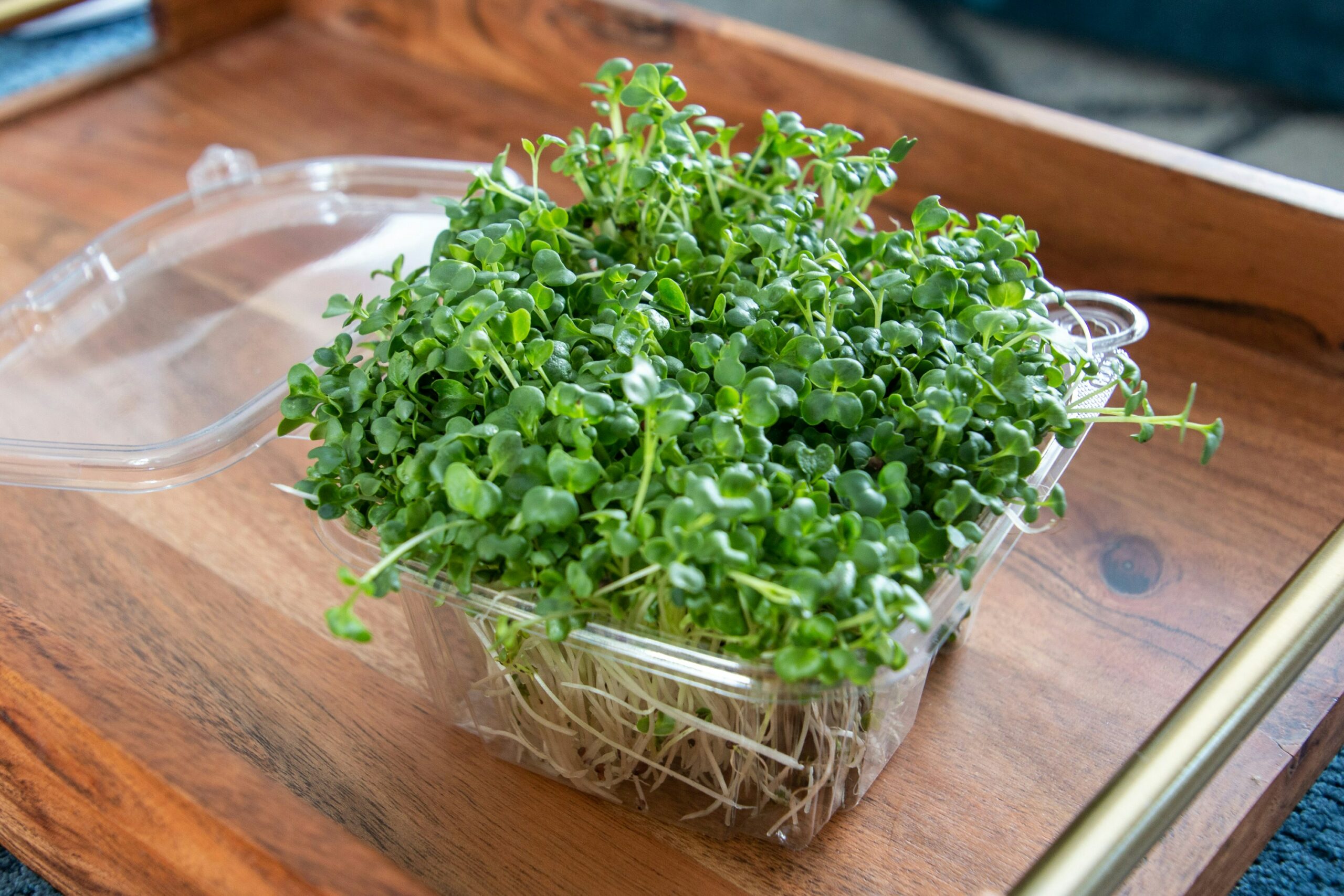
Photo by Artelle Creative on Unsplash
Technology plays a big role in creating, storing, and distributing this content to various parties. The entire agriculture sector on a larger scale to young students learning about microgreens on a smaller scale are benefited by the content. Smartphones and tablets are the main components driving this trend forward. It is important to note though that using the devices optimally is also a form of education that should be known to everyone. Take the case of iPads to understand this better. Knowing how to optimize performance, use the best apps and software, and increase the storage on an iPad is information that every student should have. Creating powerful content in this field means the use of editing tools and distribution platforms. A lot of raw files, unprocessed videos and images, and final content will need ample storage on iPads. This is why guidance on boosting storage on the device is the most informative thing to know.
Educational strategies for teaching about microgreens
Engage students in hands-on learning
Hands-on learning is an effective teaching strategy. They can get engaged in growing the plants at school or community projects. Give them space to practice cooking or participate in cooking demonstrations. They understand the concept better.
Integrate microgreens into the curriculum
Microgreens can be integrated into various courses and subjects. Schools can teach the content in nutrition lessons, science, and agriculture. These lessons teach students to eat fresh produce and marketing. In today’s times, an AI essay helper proves to be an important tool for completing essays quickly.
Types of educational content about microgreens
Sustainability and microgreens
One of the areas that schools can teach is sustainability and microgreens. Educators can focus on environmental benefits. These plants use less water and do not harm the environment. They are grown and consumed locally. This reduces transportation needs and costs.
When teaching, educators should focus on the benefits to the environment. They should tackle the plant’s benefits in urban farming. The effective lessons to cover may include the benefits of local food chains. It can also cover resource-efficient gardening methods.
Another important area the content may cover is the nutritional value of each microgreen. The content may compare nutrition levels in microgreens with mature plants. Educators can show the impact of this difference in healthy lifestyle promotion.
Teaching about the nutritional benefits of microgreens should go beyond that. The content should focus on how this nutrition supports immunity. It should explain things like well-being enhancement and inflammation reduction. This information should be used to encourage people to add microgreens to their food plan.
Creating digital content
● The content about microgreens should include high-quality images. It should have informative videos. This helps explain content better and keep audiences engaged. People love watching videos, both short and long-form, so it’s one of the best forms of content to use in combination with written and visual content.
● Identify the best platforms to share the content. The platform should support various types of content like stories, infographics, and tutorials. Examples of good platforms are Instagram, YouTube, and Pinterest.
● Other best platforms for sharing content are social media pages. Share in blogs and educational websites. Their advantage is their interactive nature and large audiences.
Creating interactive content
Interactive content should include quizzes, polls, and infographics. Quizzes and polls test how well learners understand microgreens. These tools are used for teaching online and in workshops. Infographics should contain interactive elements. This may include embedded videos or clickable sections. Interactive content boosts engagement and knowledge. It is also a good way to get more likes and shares and also add new audiences to your platform/channel.
Resources and tools for educators
Educators can use resources like education websites, books, workshops, and online courses. For instance, Udemy and Coursera provide valuable courses. They cover nutrition, agriculture, and sustainability. A website like the Microgreens Garden is full of ideas and information. The book Microgreens: How to Grow Nature’s Superfood – Fionna Hill is highly informative.Information from these resources can be adapted into microgreen lessons. There is much more to explore in this regard. A simple online search will provide you many more outstanding resources meant specifically for educators.
Case studies and success stories
Some schools have managed to integrate microgreens into their curriculums. They manage thriving microgreen gardens cared for by students. These gardens support teaching sustainability, nutrition, and biology. The impact of these projects is enhanced healthy eating patterns. They show an increase in environmental care and better student/community bonds.Examples of schools and communities include:
● Pine Jog Elementary School, FL.
● Edible Schoolyard Project in Berkeley CA.
● Green Bronx Machine in Bronx, NY.
● Social Enterprises in Chicago, IL
● United Farming Initiatives in Detroit, MI
Utilizing social media to promote microgreen content
Social media presents effective platforms for sharing content about microgreens. Photos and short videos on Instagram, infographics on Pinterest, long-form videos on YouTube are highly useful. These and other platforms like X and TikTok offer content creators a lot of opportunities to share content widely. Add engaging visuals to the content to encourage sharing. Post regularly and build more followers. Share content like tutorial videos. Show photos before, during, and after growth. Take advantage of UGC to spread the stories.
Reach out to influencers for collaboration. Work with experts in this field to extend your reach and influence. This adds credibility to your content. Beyond influencers, work with partners. Let these partners be credible partners in this field. Their contribution should add a lot to your content.
Conclusion
Microgreens content is important for the education of students and communities. Engage in consultation and effective planning before creating engaging content. Focus on spreading awareness among communities and students. Engage them in hands-on learning and use of digital tools. You can spread your passion by sharing knowledge about microgreens with many audiences. You may share knowledge in workshops, online, or starting community projects.
Related questions
How can I integrate microgreens into daily eating?
Make salads, smoothies, or sandwiches, and add microgreens to boost nutrition.
What are the top recommended microgreens to start with?
The simplest varieties to start with are sunflower, broccoli, and radish. These are readily available and easy to manage. They fit beginners perfectly.
What tools would you recommend for growing microgreens indoors?
Prepare must-have tools like potting mix, seed trays, and watering can. Grow lights for indoor plants is also useful.