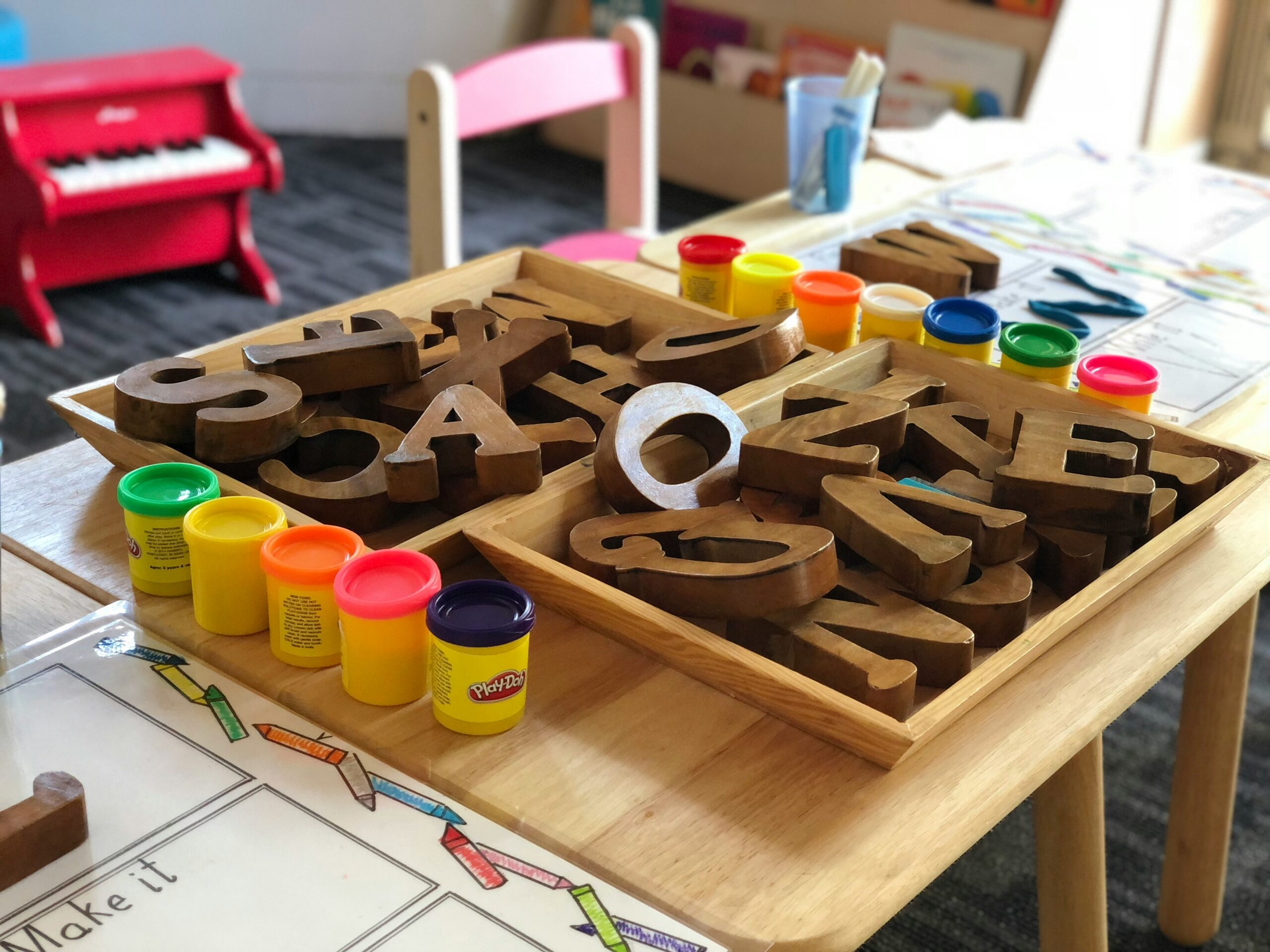
Photo by Gautam Arora on Unsplash
Choosing the right preschool for your child is a crucial decision that can significantly impact their development and future learning. For parents considering this step, ensuring that the environment is conducive to their child’s growth and well-being is important. One way to gauge the quality of a preschool is to visit a KLA preschool in Doral to see firsthand how their environment fosters child development. This article will explore various aspects of a beneficial preschool environment and how to identify them.
1. Safety Measures
The first and foremost aspect of a beneficial preschool environment is safety. When evaluating a preschool, check for well-maintained facilities, secure entry and exit points, and childproofed areas. A safe environment allows children to explore and learn without injury. Preschools should also have emergency plans and staff trained in first aid and CPR.
2. Cleanliness and Hygiene
Cleanliness is equally important. A high-quality preschool will maintain a clean and hygienic environment to prevent the spread of illnesses. Regular cleaning schedules, sanitized toys and learning materials, and proper handwashing practices are essential. Look for signs of cleanliness and inquire about their cleaning routines.
3. Age-Appropriate Learning Activities
A preschool should offer a curriculum that includes a variety of age-appropriate learning activities designed to stimulate cognitive development. Activities should encourage problem-solving, critical thinking, and creativity. Ask about the daily schedule and the types of activities your child will participate in.
4. Balanced Structure and Flexibility
While structure is important, a good preschool also allows flexibility for children to explore their interests. Look for a balance between structured learning times and free play. This balance helps children develop independence and decision-making skills while providing a learning framework.
5. Encouraging Social Interaction
Social interaction is a key component of early childhood development. A beneficial preschool environment encourages positive social interactions among children. Look for opportunities for group activities, collaborative projects, and peer learning. These interactions help children develop communication skills, empathy, and teamwork.
6. Supportive and Trained Staff
The quality of the staff is crucial. Teachers and caregivers should be supportive, nurturing, and trained in early childhood education. They should create a positive and inclusive atmosphere where every child feels valued and understood. Ask about the staff’s qualifications and their approach to handling conflicts and challenging behaviors.
7. Embracing Diversity
A beneficial preschool environment embraces diversity and promotes inclusivity. It should reflect a variety of cultures, languages, and backgrounds, helping children appreciate and respect differences. Look for diverse learning materials, culturally inclusive activities, and a curriculum that celebrates diversity.
8. Family Involvement
Family involvement is another important aspect. A good preschool will encourage parents to participate in their child’s learning journey. Look for opportunities for parent-teacher communication, volunteer activities, and family events. This involvement strengthens the connection between home and school, providing the children a more cohesive learning experience.
9. Safe Outdoor Play Areas
Physical development is a critical part of early childhood education. Preschools should provide safe outdoor play areas where children can run, climb, and engage in physical activities. These areas should be well-maintained and equipped with age-appropriate play structures. Outdoor play helps children develop gross motor skills, coordination, and overall physical health.
10. Indoor Physical Activities
In addition to outdoor play, preschools should offer indoor physical activities. These can include dance, yoga, and movement games that keep children active and engaged. Physical activities should be integrated into the daily schedule to ensure that children have ample opportunities to move and explore.
Conclusion
A beneficial preschool environment is one that prioritizes safety, cleanliness, and a balanced curriculum while fostering social interactions, diversity, and physical development. By considering these key indicators, parents can make an informed decision about the best preschool for their child. Remember, visiting the preschool and observing these factors firsthand can provide invaluable insights. Ensuring your child is in a nurturing and supportive environment will set the foundation for their lifelong learning journey.