Photo by Kelly Sikkema on Unsplash
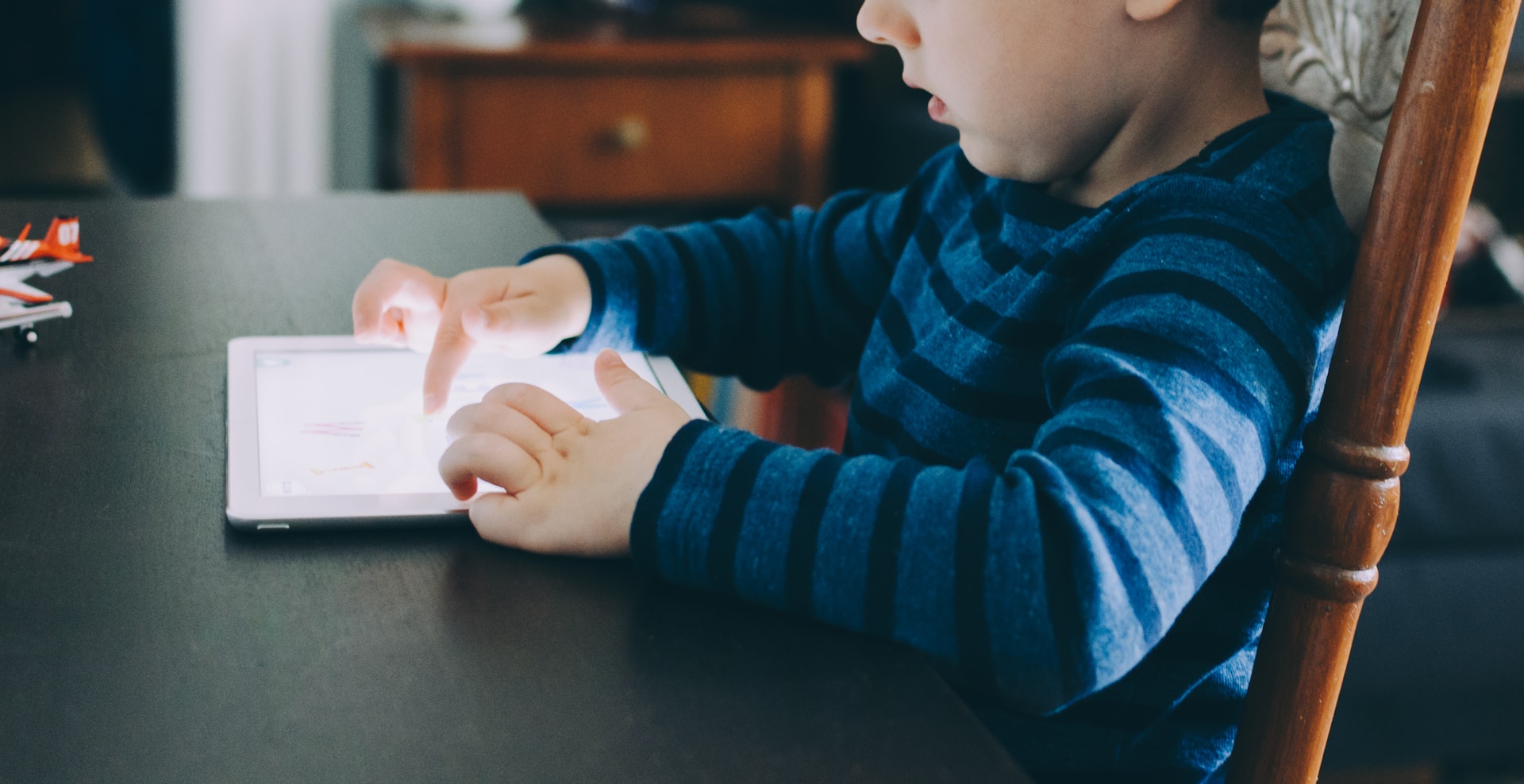
A quiet afternoon at home often means one thing for kids: reaching for a screen.
It’s raining, the kids are bored, and within about ninety seconds someone has a tablet in their hands. Sound familiar? Most parents have lived this exact moment more times than they’d like to admit. It’s not that you’re doing anything wrong. Screens are everywhere, they’re easy, and they buy you a few minutes of peace. But many of us are quietly looking for something else to reach for instead, something that still keeps little hands busy without the glowing rectangle.
That’s where paint by numbers comes back into the picture, and not as a nostalgic throwback either. It’s having a real moment as a screen-free activity that actually works for modern, busy families.
The Screen Time Problem Parents Are Facing in 2026
Screens have become the default activity for many families, but kids need hands-on alternatives too.
The numbers on kids’ screen use are hard to ignore at this point. Children ages 8 to 18 in the US now average roughly 7.5 hours of screen time a day, and even kids as young as 5 to 8 are logging around 3 hours and 28 minutes daily, according to a 2025 Lurie Children’s Hospital report. In the UK, the picture looks similar or worse: kids average 6 hours and 22 minutes of screen time daily, more than three times the World Health Organization’s recommended 2-hour recreational max, per a 2025 WeCovr report.
It’s not just older kids either. By 2026, an estimated 98% of two-year-olds are watching screens on a daily basis, and gaming time among children has climbed 65% since 2020, according to Backlinko’s screen time statistics roundup. Nearly half of parents, 49% according to a 2025 Motherly survey, admit they lean on screen time every day just to manage the basics of parenting. Kids in that same survey averaged 21 hours of screen time a week, well above the 9 hours a week parents said they’d consider ideal.
None of this is a moral failing on any parent’s part. It’s just what modern life looks like. That’s the gap many parents are quietly trying to fill, and it’s why activities like paint by the number kits have found their way back into so many households. They give kids something to do with their hands that isn’t a screen, without requiring a parent to plan an elaborate craft project from scratch. The American Academy of Pediatrics still recommends limiting high-quality programming to about 1 hour a day for kids ages 2 to 5, and for older kids, the AAP’s guidance focuses on making sure screen time doesn’t crowd out sleep, movement, and face-to-face time with family.
Why Paint by Numbers Works So Well for Kids
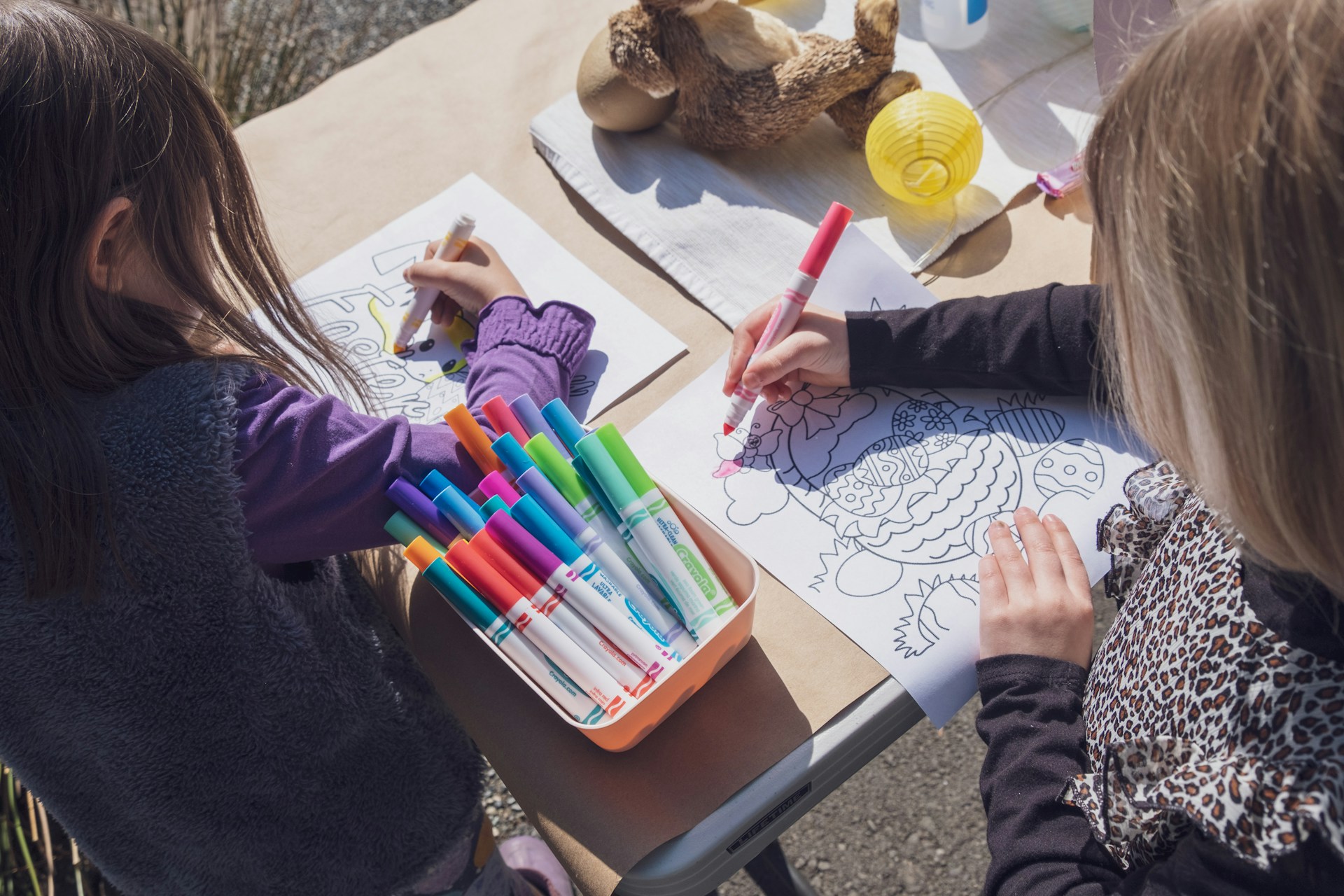
Photo by Alan Rodriguez on Unsplash
Filling in numbered sections builds fine motor control and steady hand-eye coordination.
There’s a reason paint by numbers has stuck around for generations of kids, and it’s not just because it’s easy to set up. Filling in small numbered sections with a brush takes real fine motor control, the same kind of small, precise hand movements kids use for handwriting and buttoning a coat. It’s practice disguised as fun.
It also demands a kind of focus that’s genuinely rare these days. A numbered canvas has a clear start and a clear finish, which gives a kid’s attention something to hold onto for twenty or thirty minutes at a stretch. Researchers publishing in Pediatrics have noted that hands-on, structured activities support attention and self-regulation in young children in ways that passive screen viewing doesn’t, since the child is directing the task rather than simply absorbing it. A peer-reviewed piece in MDPI’s Behavioral Sciences journal makes a similar point, drawing a contrast between the developmental effects of screen time and hands-on, goal-directed play.
Then there’s the color recognition piece. Matching numbers to color keys teaches kids to sort, compare, and follow a system, all without it feeling like a lesson. And when the canvas is finished, there’s a real object to hold up and be proud of. That sense of “I made this” matters more than it sounds like it should. A finished painting doesn’t disappear when you close an app.
Making It a Family Ritual, Not a One-Off Craft
Turning paint by numbers into a weekly ritual makes screen-free time something the whole family looks forward to.
The families who get the most out of paint by numbers usually aren’t treating it as a one-time rainy-day fix. They’re building it into a rhythm, something like a Sunday evening painting hour or a Friday night wind-down before bed. Once it becomes a regular thing, kids start asking for it themselves instead of needing to be coaxed away from a screen.
Matching the kit to your child’s age and attention span makes a big difference here. A five-year-old is going to get frustrated with a canvas that has forty tiny sections, while a ten-year-old might find a simple design boring within minutes. Start smaller than you think you need to, and let your kid work up to more detailed designs over time.
It also pairs well with other low-mess creative activities you might already have in your rotation. If your family enjoys hands-on projects, our mess-free painting projects guide has some good complementary ideas for keeping things tidy while the kids stay engaged. And if you’re looking for more ways to keep the creative momentum going between painting sessions, we’ve put together tips to spark creativity with simple craft ideas that work well alongside a regular painting ritual.
Getting Started Without the Overwhelm
You don’t need a dedicated craft room or a Pinterest-worthy setup to make this work. A kitchen table, an old towel or plastic tablecloth, and a canvas that matches your child’s skill level is genuinely enough to get going. Keep the paint pots in a shallow tray so nothing tips over mid-session, and give your kid their own water cup for rinsing brushes.
If the weather cooperates, painting doesn’t have to stay indoors. Some families rotate their creative time outside and combine it with other water-based play. If you’re looking to mix things up, you could also try a watercolor station in the backyard on days when a little extra mess is fine.
The real trick to avoiding overwhelm is not treating the first attempt as a test. Some kids finish a canvas in one sitting; others spread it across a week, a little at a time. Both are fine. The goal isn’t a perfect painting. It’s twenty screen-free minutes that felt good to both of you.
Conclusion
Screen-free doesn’t have to mean boring, and it definitely doesn’t have to mean a battle every afternoon. Paint by numbers gives kids something structured enough to hold their attention but open enough to feel like their own creative win, and it gives parents an easy, low-prep way to swap a scroll session for something that actually builds a skill.
It won’t replace screens entirely, and it doesn’t need to. But having one reliable, screen-free activity in your back pocket, one that your kid genuinely wants to come back to, makes those rainy afternoons a lot easier to handle. Once you find the rhythm that works for your family, it stops feeling like an alternative to screen time and starts feeling like just another thing you do together.